When Every Minute Counts, Communication Matters
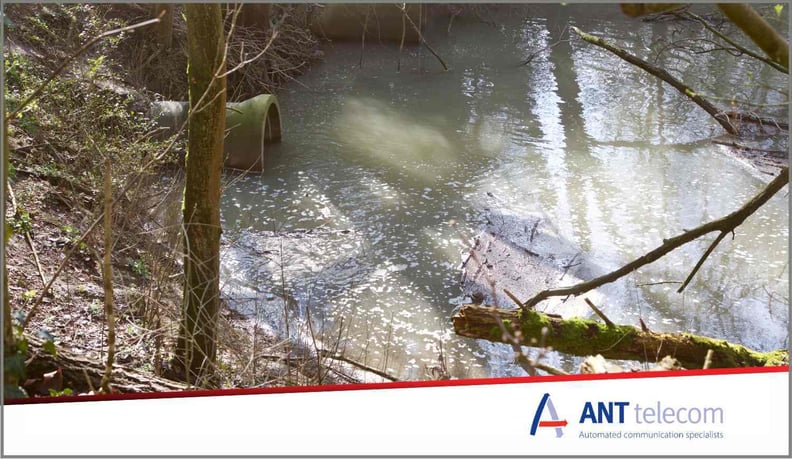
Water utilities rely on fast, effective communication when responding to incidents such as pump failures, sewage overflows or pollution events. However, coordinating distributed field teams across large, geographically dispersed water networks can be challenging when communication relies on smartphones, calls or messaging apps.
While monitoring systems and telemetry often detect problems quickly, resolving them requires field engineers and operational teams to respond efficiently. In many cases, the biggest challenge is not identifying the issue but ensuring the right people can communicate quickly and coordinate their response.
For organisations responsible for maintaining critical infrastructure across large geographic areas, communication becomes a key part of effective incident management.
The Communication Challenges Water Companies Face
Water networks span large regions, and incidents rarely occur in convenient locations. A single event may require engineers to attend multiple sites such as pumping stations, treatment works or sections of the network infrastructure. Response teams are often spread across different depots and operational areas while control rooms attempt to coordinate activity across the network.
Many organisations rely on smartphones to communicate with field engineers, using phone calls, text messages or messaging applications such as whatsapp. While these tools work well for everyday communication, they are not designed for coordinating operational teams responding to time-critical incidents.
Engineers working in the field may miss calls while they are focused on resolving a problem. Messages may not be seen immediately, and contacting several people often requires repeated calls or messages to individuals. This can create delays while managers try to confirm that information has been received and acted upon.
Working environments can also make smartphone communication unreliable. Pumping equipment, generators, heavy machinery and specialist vehicles often create high noise levels. Engineers may keep phones in their pockets while working and may not notice incoming calls or messages until much later.
During an incident where time matters, even small communication delays can slow the response and make coordination more difficult.
A Better Approach: Push-to-Talk Communication
Push-to-Talk over Cellular (PoC) offers a communication solution designed specifically for operational teams working in the field. The technology combines the simplicity of traditional two-way radio with the wide coverage provided by 4G, 5G mobile networks.
Instead of relying on individual phone calls or messages, Push-to-Talk allows users to speak instantly with colleagues or entire teams using a single button press. Messages are broadcast immediately to the relevant group, allowing engineers, supervisors and managers to stay aligned as incidents develop.
This approach makes it far easier to coordinate activities across multiple locations and ensures that everyone involved in an incident hears the same information at the same time.
Device Options for Push-to-Talk Communication
Users have the option of installing a Push-to-Talk over Cellular app on their existing company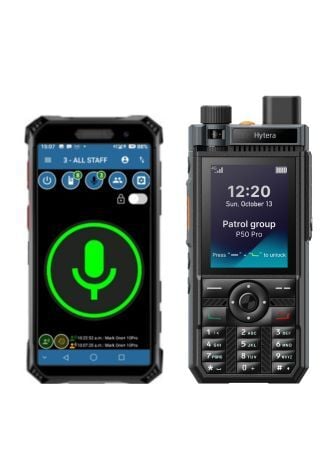 smartphone, allowing them to access instant group communication using the device they already carry.
Alternatively, dedicated PoC radios or rugged smartphones with integrated Push-to-Talk buttons can be used. These devices are designed for frontline environments and provide louder audio, physical PTT buttons and accessories that make them easier to wear and operate during work.
They are also designed to perform well in noisy environments, ensuring that important updates can still be heard while engineers are working around machinery or specialist equipment.
Supporting Faster Incident Response
For water utilities, improving communication during incidents can have a significant impact on operational performance. Faster coordination between teams helps reduce the time it takes to identify problems, deploy resources and resolve issues.
More effective communication can also help reduce environmental impact, improve regulatory compliance and support better overall operational efficiency.
Push-to-Talk over Cellular provides a practical way for operational teams to stay connected and coordinate their efforts whenever and wherever incidents occur.
Want to explore Push-to-Talk for your operational teams?
If you're looking to improve mobile communication for field engineers or incident response teams, we can help you assess the most effective approach. Whether that involves enhancing existing smartphones with a Push-to-Talk app or deploying purpose-built devices, we can help you identify the right solution for your environment.