

Unlike traditional two-way radio systems, which are typically designed to provide coverage across a specific site or geographical area, Push-to-Talk over Cellular (PoC) uses existing 4G, 5G and Wi-Fi networks. This allows teams to communicate across multiple sites and much larger geographical areas without requiring their own radio infrastructure.
For organisations with field-based or mobile teams, multi-network roaming SIMs can provide additional resilience. Rather than relying on a single mobile operator, compatible PoC devices can connect across multiple UK networks, helping maintain connectivity as workers move between different locations and coverage areas.
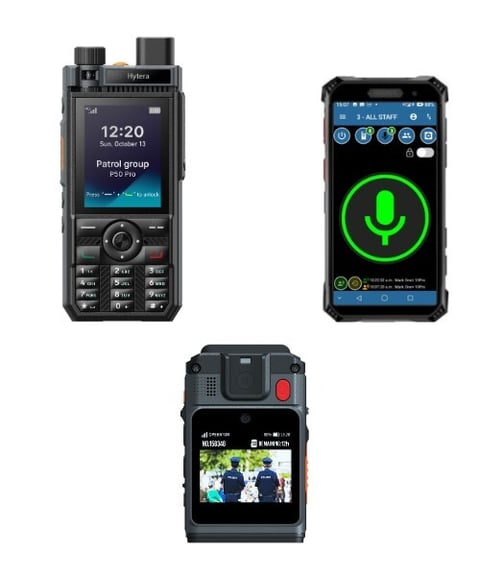
A PTT app can be installed on Android smartphones, allowing organisations to turn existing devices into powerful push to talk communication tools.
For more demanding environments, we also supply rugged smartphones and PoC devices with dedicated push-to-talk buttons. These devices combine the ease of use of traditional radios with the intelligence and flexibility of a smartphone.
Features of PoC smartphones can include:
For hazardous environments, intrinsically safe ATEX smartphones are also available for Zone 1 / 21 areas.
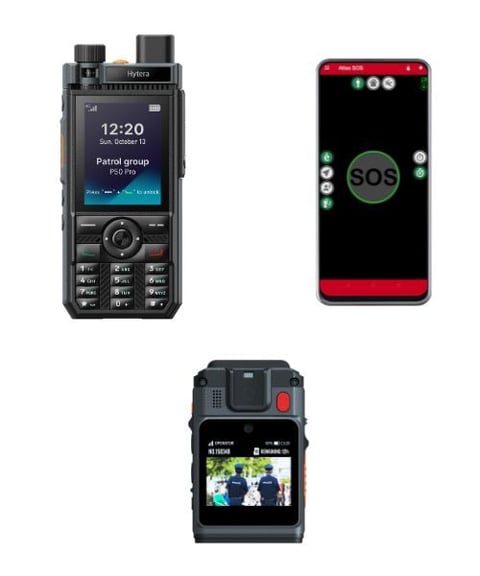
Communication is not only about efficiency — it is also essential for safety.
Many organisations have employees working remotely, travelling between sites, or operating in environments where help may not be immediately available. In these situations, being able to raise an alarm and contact colleagues instantly is critical.
Push to talk over cellular solutions can support safety features that allow workers to trigger an alarm if they experience an accident, feel threatened, or require immediate assistance. Alarms can be raised using dedicated PoC devices, body worn cameras with integrated communication capabilities, or smartphones running a lone worker application.
When an alarm is triggered, alerts can be sent directly to supervisors or response teams, often including information such as the user’s identity and location. This helps organisations respond quickly and coordinate assistance when it is needed most.
By combining push to talk communication, safety alarms and location services on a single device, organisations can improve both team coordination and worker protection while reducing the need for staff to carry multiple devices.
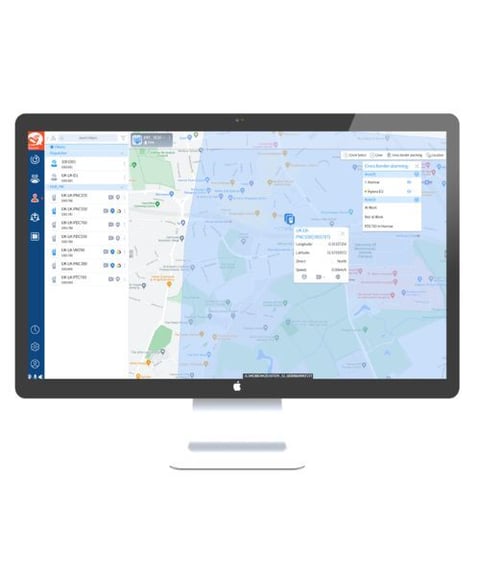
Another advantage of push to talk over cellular platforms is the ability to manage communication from a central dispatch console.
Supervisors or control room staff can monitor users and groups in real time, view their location on a map, and coordinate teams during routine operations or emergency situations.
Depending on the system configuration, dispatch consoles may allow organisations to:
This visibility can help organisations respond faster to incidents, allocate resources more effectively, and maintain better oversight of field teams.
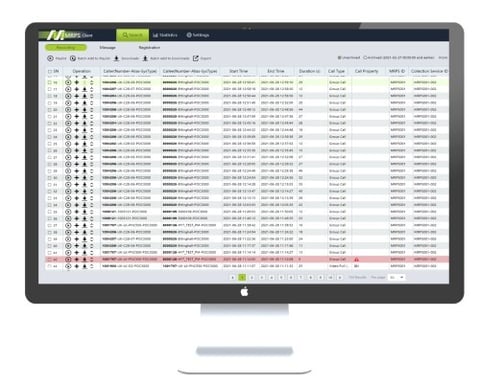
In many operational environments, communication systems also play an important role in safety and incident management.
PoC devices can support features such as emergency alerts, man-down sensors, and priority calls, helping workers quickly raise the alarm if an accident or incident occurs.
Some devices can also support integrated cameras and video streaming, allowing workers to share live footage of incidents or equipment faults with colleagues or supervisors. This can be useful for:
By combining communication, safety features, and multimedia capabilities on a single device, organisations can improve both operational efficiency and worker protection.