Manufacturing organisations invest heavily in machinery, automation and production processes to improve efficiency. Yet one area that often receives far less attention is communication. The ability for employees to reach the right person at the right time underpins almost every aspect of day-to-day operations, from routine maintenance through to responding to unexpected incidents.
As manufacturing sites become larger and more complex, keeping teams connected becomes increasingly difficult. Employees are spread across production lines, warehouses, loading areas and utility buildings, while supervisors often coordinate activities across multiple departments. Without reliable ways for people to contact one another, even straightforward tasks can take longer than they should.
The Small Delays That Add Up
When people think about communication, they often picture major emergencies. In reality, the biggest impact is usually felt in everyday operations.
A maintenance engineer needing assistance, a supervisor coordinating resources or an operator reporting a fault all rely on information reaching the right people quickly. When that flow of information is slow or inconsistent, routine tasks become less efficient. Engineers spend valuable time locating colleagues, production teams wait for updates before restarting equipment, and supervisors lose time coordinating activities that should be straightforward.
Individually, these delays may only last a few minutes. Across hundreds of interactions every week, however, they contribute to lost productivity, slower decision-making and unnecessary operational disruption. When a genuine incident does occur, those same issues can make it even harder to coordinate an effective response.
Modern Manufacturing Sites Demand More
No two manufacturing facilities operate in exactly the same way, which is why there is no single approach that suits every organisation.
Some sites are compact, while others extend across multiple production buildings, warehouses, tank farms or outdoor storage areas. Different teams also have very different requirements. Maintenance engineers, production operators, supervisors and managers all need to stay connected, but not necessarily in the same way.
We recently worked with a manufacturer that recognised collaboration across its site had become an operational challenge. Rather than asking for a specific technology, the organisation wanted to understand how communication could be improved across the site while giving employees greater confidence that they could quickly request assistance if they needed it.
The discussion wasn't centred around products. Instead, it focused on understanding how people worked, how different teams interacted and where delays were affecting the operation. Only then did it make sense to explore which technologies were most appropriate.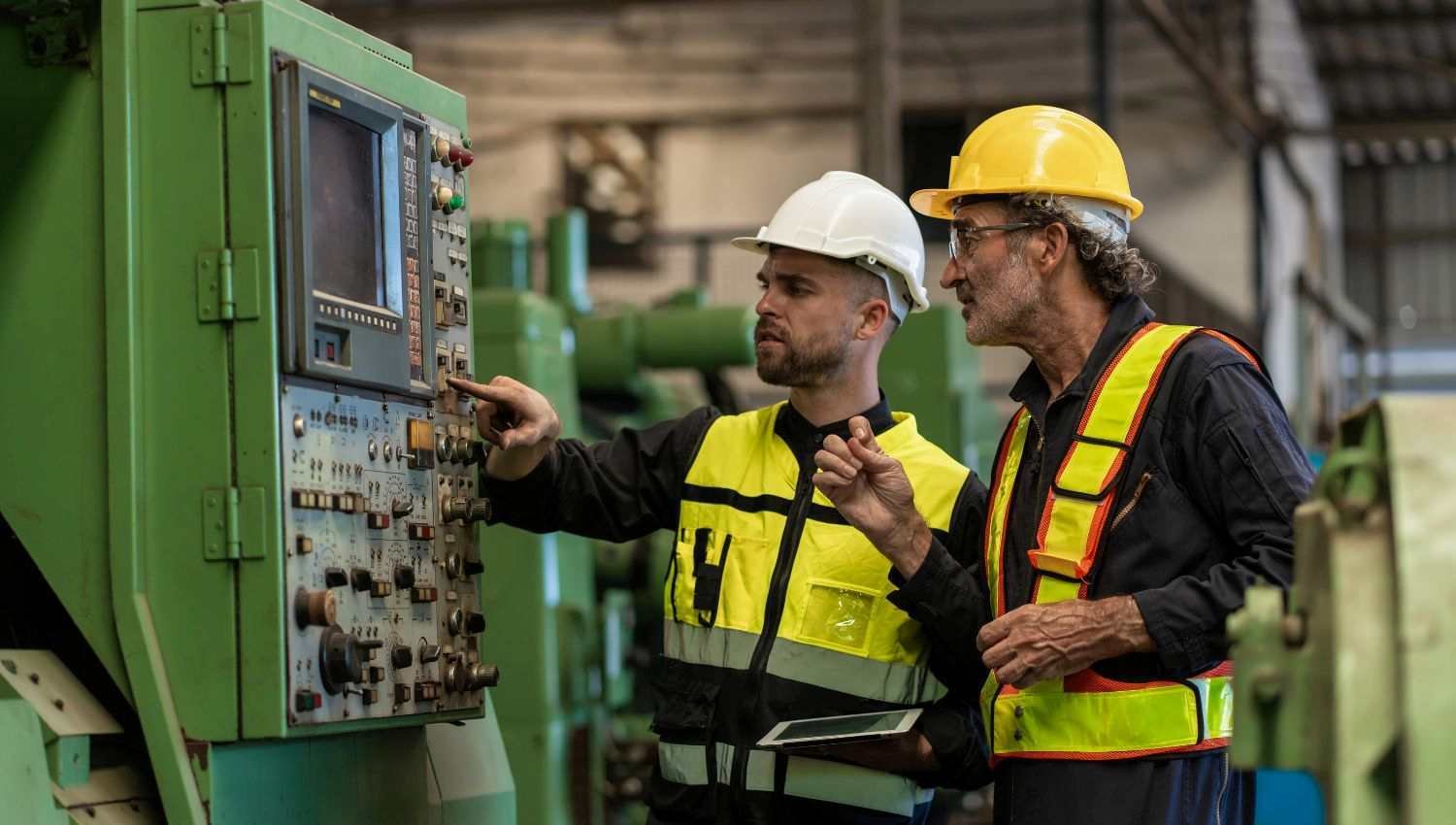
Better Communication Supports Better Operations
It's easy to think of communication systems as something that only become important during an emergency.
In reality, their greatest value often comes from improving everyday operations. When employees can contact colleagues immediately, maintenance activities are coordinated more efficiently, operational issues are resolved more quickly and teams spend less time trying to find the right person. Faster collaboration helps reduce downtime, improves productivity and allows people to make decisions with greater confidence.
The result is a more connected workforce that is better prepared to respond when something unexpected does happen.
Supporting Lone Workers Without Adding More Devices
For organisations where employees work alone or in isolated areas, communication and worker safety don't need to be treated as separate challenges.
Modern platforms allow the same devices employees carry every day to also support lone worker protection. If someone needs assistance, they can raise an alarm directly from the handset they're already using, removing the need to carry separate devices for staying in touch and personal safety.
The same platform can also help those responding to an incident. Alerts can be delivered directly to supervisors or nearby colleagues, allowing responders to speak to one another and coordinate their actions using the same handsets. Instead of switching between different systems, everyone involved has immediate access to the information they need.
For many organisations, this also provides greater flexibility when planning investment. A solution can be introduced first to improve day-to-day collaboration, with lone worker protection or alarm integration added later as operational requirements evolve or budgets allow. Rather than replacing technology as new needs emerge, businesses can build on a platform designed to grow with them.
Start With the Way People Work
One of the biggest mistakes organisations make is starting with the technology.
Should we choose digital two-way radios? Would rugged Push-to-Talk smartphones be a better fit? Do we need IP DECT?
While these are important decisions, they shouldn't be the starting point.
The first step is understanding how employees work today, where delays occur and what different teams need to perform their roles effectively. Some employees may only require instant Push-to-Talk communication, while others also benefit from accessing maintenance applications, digital inspections, compliance forms or other business systems. In many organisations, the most effective approach is a combination of technologies that reflects the different ways people work.
By understanding how different roles operate across the site before selecting technology, organisations are far more likely to invest in a solution that delivers lasting value.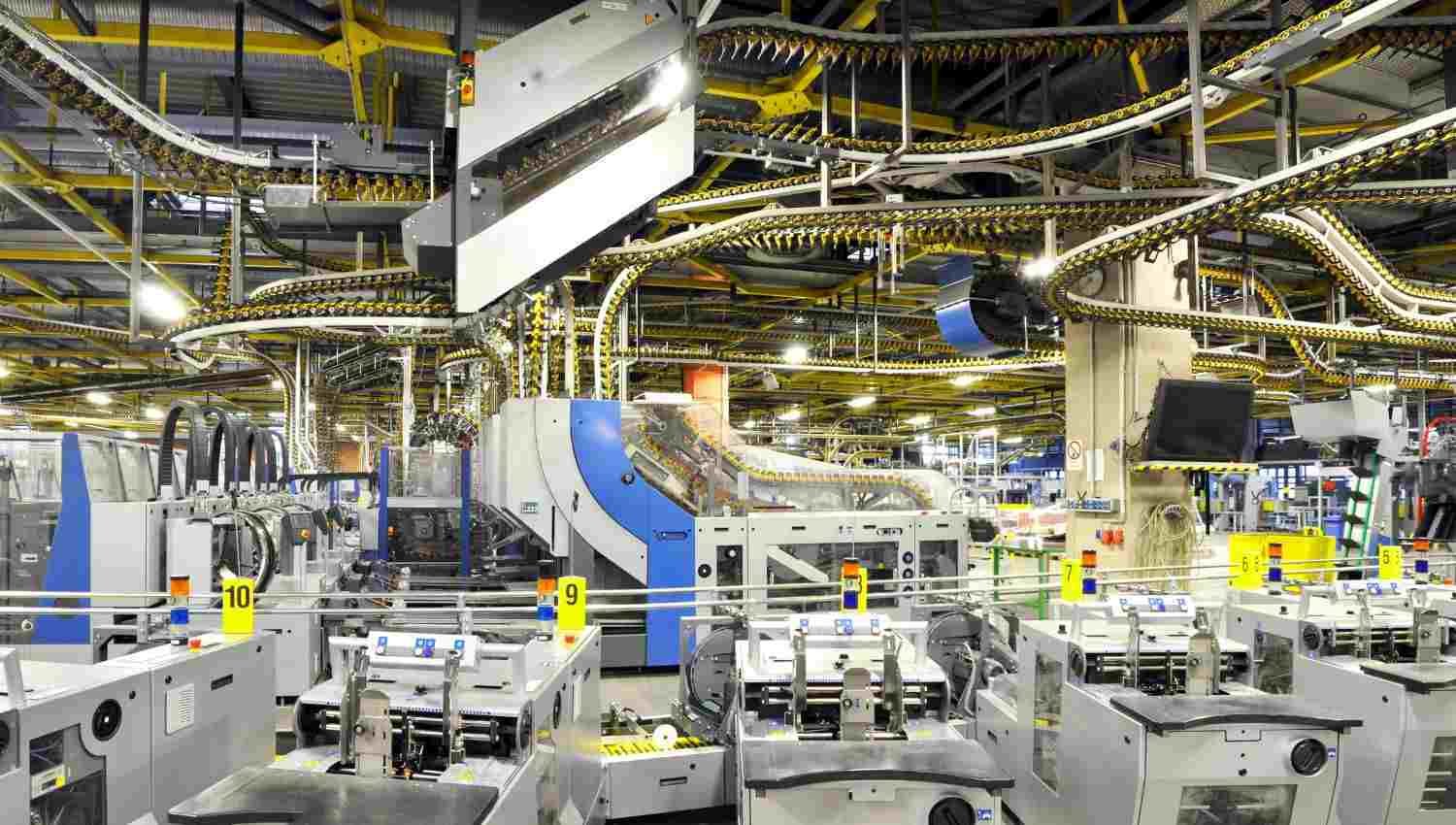
Ready to Improve Communication Across Your Site?
Improving communication isn't just about responding faster during an emergency. It's about helping people work together more effectively every day, reducing delays, improving collaboration and giving employees confidence that support is always within reach.
We work with manufacturing organisations to understand how their teams operate before recommending the technology that's best suited to their environment. Whether that's digital radio, Push-to-Talk over Cellular, IP DECT or a combination of solutions, our focus is always the same: helping organisations improve the way their people connect, collaborate and respond.
Speak to one of our specialists to discuss how the right solution could support your manufacturing operation.