The Challenge Isn't Choosing a Device. It's Solving the Communication Problem.
As industrial sites become larger and operations become more complex, communication can quickly become a challenge. Teams are spread across multiple buildings, process areas and production lines, while supervisors, maintenance engineers and operators all have different roles to perform.
When something goes wrong, whether it's an equipment fault, a safety concern or a lone worker requiring assistance, people need to communicate instantly with the right colleagues. Delays in sharing information can slow response times, impact productivity and, in some situations, put people at greater risk.
Many organisations recognise they have a communication problem. The more difficult question is deciding how to solve it.
Should they invest in digital radios? Would rugged Push-to-Talk smartphones be a better choice? Or is a combination of both the right answer?
The reality is that choosing an industrial communication solution shouldn't start with selecting a device. It should start with understanding how your people work.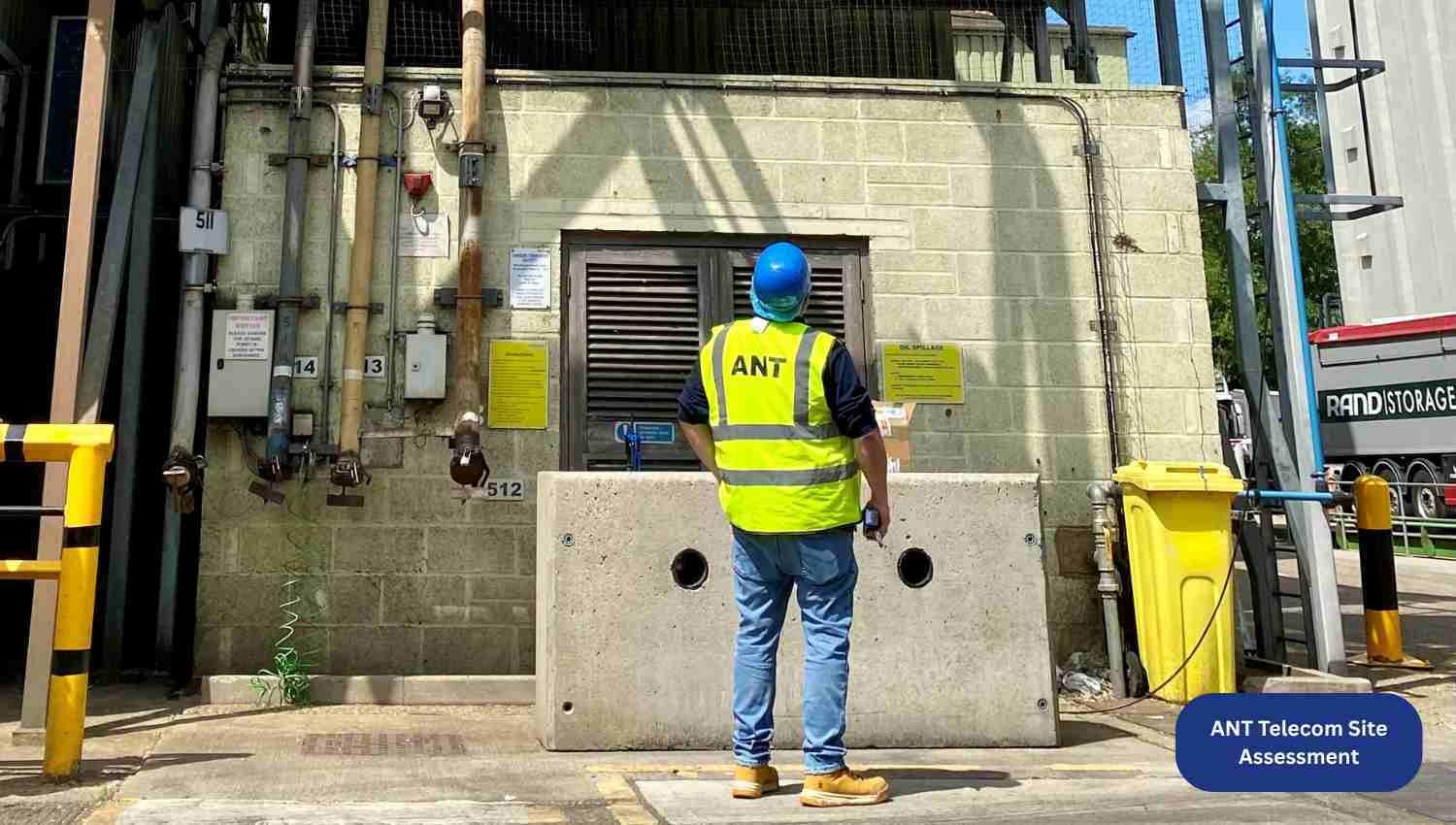
How do you choose the right industrial communication solution?
We recently worked with a large industrial manufacturer that wanted to improve communication across its operational teams.
The organisation operated around the clock, with employees working across multiple process
areas, including remote parts of the site where lone working regularly took place. They wanted to improve collaboration between teams and give employees greater confidence that help could be summoned quickly if needed.
At first glance, there appeared to be several possible technology options.
Digital radio would provide simple, instant Push-to-Talk communication.
Rugged smartphones could deliver Push-to-Talk alongside lone worker protection and additional business applications.
A hybrid solution could even combine both technologies.
The challenge wasn't choosing a product. It was understanding which solution best supported the different roles within the business.
Start With the Job, Not the Technology
One of the biggest misconceptions when selecting communication technology is believing every employee needs the same device.
In reality, different roles often have very different requirements.
Some workers simply need reliable, instant communication with colleagues throughout their shift. Others may also need access to maintenance systems, digital inspections, compliance applications, photographs or email while they are on the move.
Neither approach is inherently better than the other.
The right solution depends entirely on how people carry out their work.
Understanding those operational requirements is far more valuable than comparing product specifications.
Should you choose radio, Push-to-Talk or a combination?
Rather than recommending a particular device from the outset, we worked with the customer to understand how communication flowed across the site.
We discussed where employees worked, how incidents were currently managed, which areas presented the greatest operational challenges and how different teams collaborated during normal working conditions and emergency situations.
We also considered how the solution might need to evolve in the future, including the potential to integrate fire alarms, gas detection and other critical operational alerts.
Only after understanding these requirements did it become clear which technology would provide the best fit.
For many of the operational teams, straightforward Push-to-Talk communication was the priority. For supervisory roles, there was also the opportunity to consider devices capable of supporting wider business applications should those requirements develop over time.
By focusing on the operational need first, the customer could invest in a solution that met today's requirements while leaving room to expand in the future.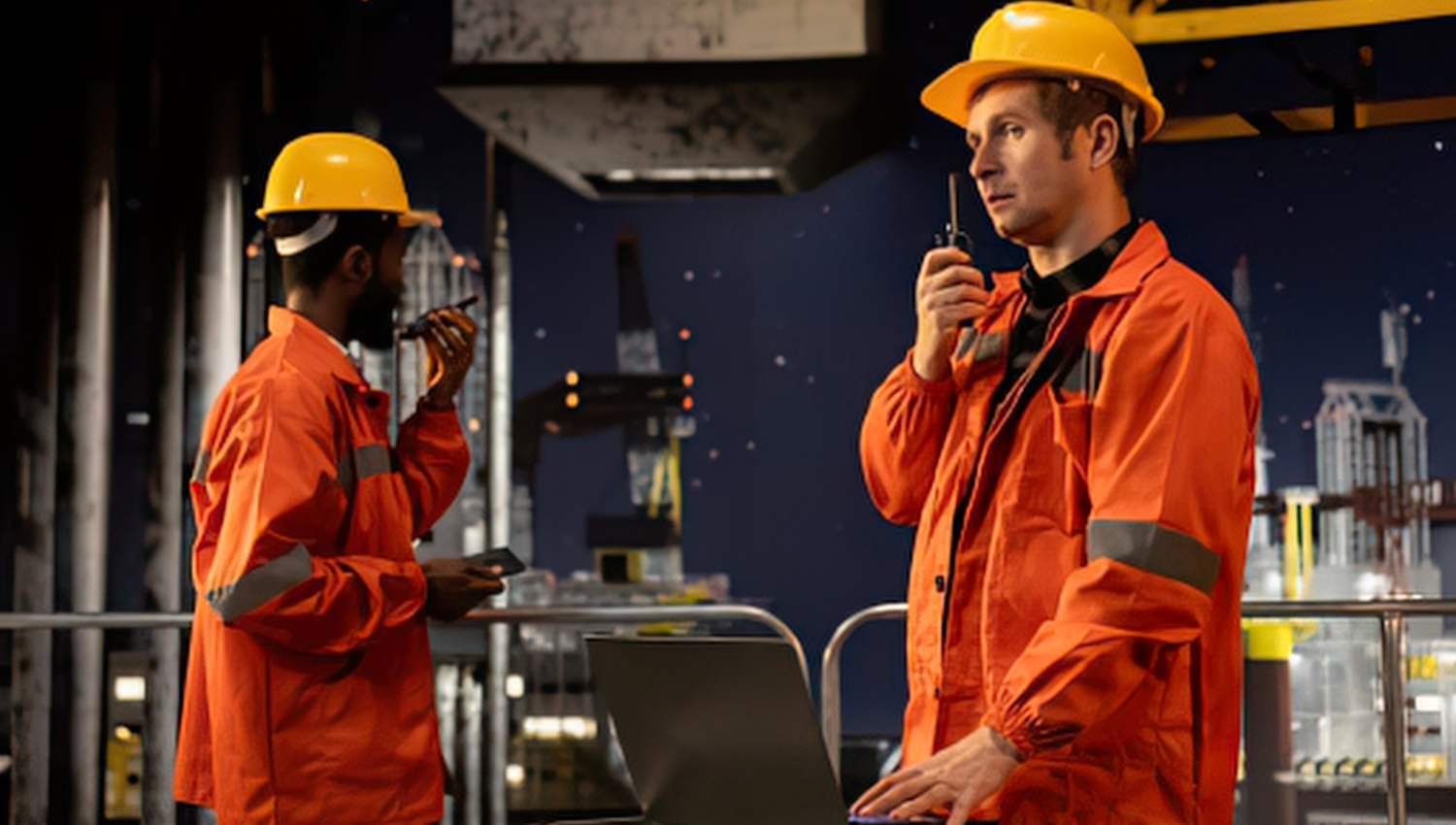
There's Rarely a One-Size-Fits-All Solution
Industrial communication has evolved significantly over the last decade.
Digital radio remains an excellent solution for many operational environments, providing instant Push-to-Talk communication, lone worker protection and the ability to receive critical alarms such as fire, gas or process alerts directly on the handset. For many operational teams, it delivers a simple, reliable way to coordinate day-to-day activities and respond quickly when incidents occur.
Rugged Push-to-Talk smartphones can deliver many of the same communication and safety capabilities, including Push-to-Talk, SOS functionality and lone worker protection, while also supporting business applications such as digital inspections, workforce management, compliance forms, photography and email.
Increasingly, organisations are choosing a combination of both, giving different teams the technology that best supports the way they work while allowing everyone to communicate as one.
Why Independent Advice Matters
Selecting an industrial communication solution is about far more than comparing features or devices.
It requires an understanding of the working environment, communication workflows, site layout, future expansion plans and how different teams interact throughout the day.
That's why our approach always starts with listening.
We work closely with customers to understand their operational challenges before recommending the most appropriate solution. That might be digital radio, rugged Push-to-Talk smartphones, IP DECT or a combination of technologies.
Our role isn't to promote one product over another. It's to help organisations choose the communication solution that best supports their people, improves operational efficiency and provides confidence when it matters most.
Looking at Your Communication Strategy?
Not sure which communication technology is right for your organisation? Book a site assessment or speak to our specialists. We'll help you assess how your teams work and recommend the solution that best fits your operational requirements.