Why Alarm Management Matters as much as Detection
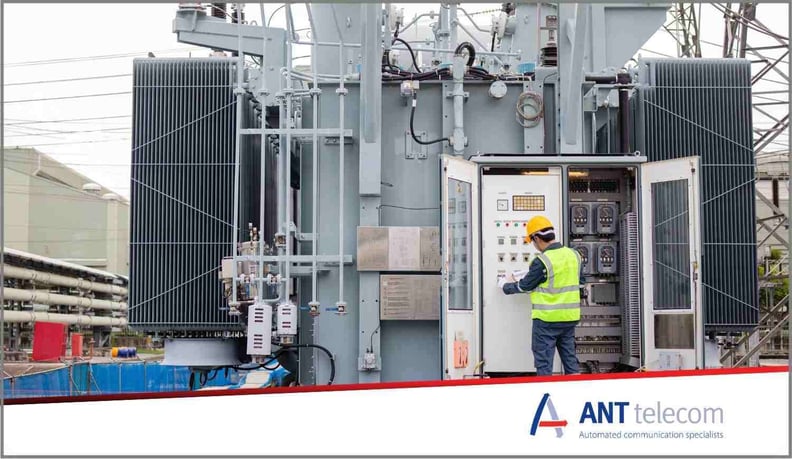
Utility organisations operate in some of the most demanding working environments. Engineers and technicians routinely work alone, across large estates, in hazardous areas, confined spaces and remote locations. The risks are well understood, yet many organisations still struggle to ensure that when something goes wrong, the right people are alerted quickly and can respond effectively.
As investment in infrastructure accelerates, improving frontline safety is no longer just a compliance requirement. It is fundamental to protecting people and enabling work to be carried out confidently, efficiently and at scale.
The challenge of protecting lone workers across complex sites
Frontline utility workers are exposed to a combination of risks that are difficult to manage through a single control measure. Lone working remains common, particularly during inspections, maintenance tasks and out-of-hours callouts. Hazardous environments introduce additional dangers, including gas exposure, confined spaces and moving machinery. At the same time, sites vary widely in layout, operating rules and risk profiles.
In response, many organisations have introduced safety tools incrementally over time. Dedicated lone worker devices, portable gas detectors and separate alarm systems are often deployed independently. While each tool may serve a specific purpose, together they can create a fragmented safety landscape that is hard to manage and difficult for workers to follow consistently.
The result is that alarms may be raised, but not always seen by the right people, at the right time, or with a clear understanding of who is responsible for responding.
When alarms don’t lead to action
In many utility environments, alarms are generated but do not always lead to effective action. With some portable gas detection solutions, alarms sound locally on the device, alerting the wearer but not automatically notifying anyone else. If the worker is incapacitated or unable to raise further help, that alarm may go unheard beyond the immediate area.
Conversely, many lone worker solutions focus on centralised monitoring. Alarms are routed to a control room or monitoring centre, providing reassurance that someone has visibility. However, this model introduces a different challenge. Central operators can struggle to identify who on site or in the field is best placed to respond, particularly if the lone worker is not answering calls or if the situation is unfolding rapidly. Valuable time can be lost coordinating a response rather than delivering it.
This gap between alarm activation and meaningful action is where safety systems often fall short.
A unified approach to alarm visibility and response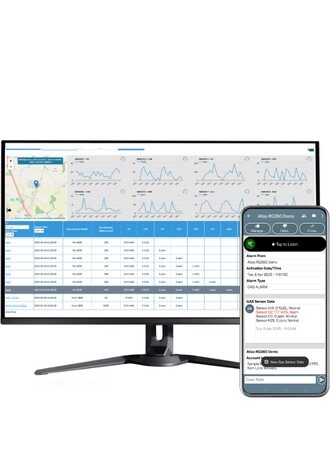
A more effective approach brings together detection, visibility and response within a single safety workflow. Rather than relying on alarms that either sound locally or route exclusively to a central team, alarms should be shared simultaneously with both central and local responders. This ensures that incidents are visible to those with oversight while also reaching people closest to the risk, who are often best placed to act quickly.
By integrating existing gas detection equipment with a smartphone-based lone worker platform, gas alarms, panic alerts and man-down events can be distributed automatically through the same system. Responders can see what type of alarm has been raised, where it originated and whether someone has acknowledged responsibility. From there, central teams and local responders can collaborate in a live environment, communicating with each other and, where possible, directly with the lone worker to understand what is happening and decide on next steps.
Mandatory alarm acknowledgement provides clarity and accountability, ensuring alarms are not simply seen, but actively managed through to resolution.
Improving safety through simplicity and adoption
Safety systems only work if people use them consistently. One of the challenges with standalone safety devices is that frontline workers already carry multiple pieces of equipment. When devices compete for attention, the one used least often is the one most likely to be forgotten or left behind.
Using communication handsets like smartphones as the central interface for lone worker protection helps address this challenge. Smartphones are already part of daily working practices, supporting communication, collaboration and task management. Embedding safety functionality into a device that workers naturally carry improves adoption without replacing specialist equipment such as gas detectors, which continue to perform the task they are designed for.
In safety-critical environments, usability is not a secondary consideration. It is fundamental.
Laying the groundwork for future safety and asset monitoring
While the immediate priority for most utilities is protecting people, the same alarm-first approach can be extended over time to machines, assets and critical infrastructure. Sensors monitoring equipment or environmental conditions can raise alerts through the same platform and workflows used for lone worker and gas alarms.
Initially, this may simply provide early warning of abnormal conditions, without placing emphasis on continuous data analysis. Over time, as data is collected in the background, organisations may begin to identify patterns, recurring issues or early indicators of failure. In scenarios where equipment malfunction has serious safety, environmental or operational consequences, this opens the door to more proactive and predictive maintenance strategies.
Crucially, this evolution does not require new alarm systems or responder processes. The same people, workflows and accountability structures apply, whether the alert relates to a person or a piece of equipment.
Building safer operations for the long term
Utilities face no shortage of operational challenges, but frontline safety remains one of the most immediate and human. By focusing on how alarms are distributed, acknowledged and acted upon, rather than simply adding more devices, organisations can create a safer and more resilient operating model.
Using smartphones as the unifying interface, integrating existing gas detection and enabling collaboration between local and central responders provides a practical path forward. It protects workers today, improves visibility and accountability, and creates a foundation that can evolve as operational needs change.
In complex environments, safety is not just about detection. It is about ensuring that when something goes wrong, the right people know, respond and act — every time.
If your organisation is reviewing how lone worker safety, gas detection and alarm management are handled across complex sites, we can help. ANT Telecom works with utility teams to design practical safety solutions that ensure alarms are seen, acknowledged and acted upon — locally and centrally — without adding unnecessary complexity.
To discuss how a smartphone-based lone worker platform can integrate with existing gas detection and support safer, more coordinated response workflows, get in touch with our team.